Health and Safety Policy for Deep Cleaning Battersea
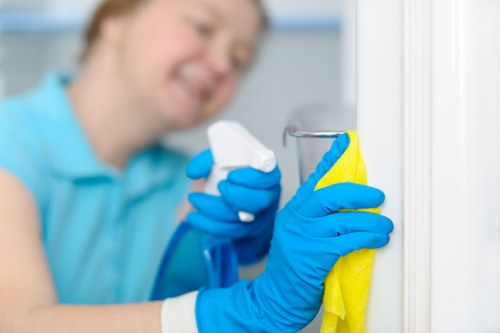 Deep cleaning in Battersea requires a clear health and safety policy that protects clients, cleaners, visitors, and property. This policy sets out the standards expected during every stage of a deep clean, from preparation through to completion. It applies to domestic and commercial environments and supports safe working practices, careful use of products, and responsible handling of equipment. The aim is simple: reduce risk while delivering a thorough and reliable result.
Our commitment to safety begins with planning. Before any work starts, a risk assessment is carried out to identify hazards such as slippery floors, fragile items, electrical equipment, dust, chemicals, and restricted access areas. Where needed, tasks are adapted so that the deep cleaning service can be completed without exposing anyone to avoidable harm. Staff are expected to follow safe systems of work at all times and to raise concerns immediately if conditions change.
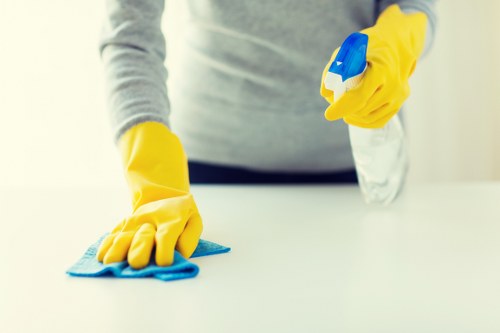 Personal protective equipment is used where appropriate, including gloves, masks, aprons, and non-slip footwear. The choice of PPE depends on the task, for example when using detergents, disinfectants, or cleaning areas with heavy contamination. We expect all team members to wear equipment correctly and replace it when damaged. In a professional deep clean, the right protective measures help maintain hygiene standards and reduce the chance of injury or irritation.
Cleaning chemicals must always be handled with care. Products are stored securely, labelled clearly, and used in line with manufacturer instructions. Mixing chemicals is strictly prohibited unless the product guidance specifically allows it. Staff are trained to understand dilution rates, contact times, ventilation needs, and safe disposal methods. This is especially important in a deep cleaning operation where stronger products may be needed to remove built-up dirt, grease, or sanitising residues.
 Electrical safety is another key part of the policy. Equipment is checked before use to ensure cables, plugs, and casings are in good condition. Faulty machines are taken out of service immediately. Water is kept away from sockets and live appliances, and cleaners are instructed not to overload outlets. When working with steam machines, vacuums, or scrubber dryers, operators must use them only for their intended purpose and under safe conditions.
Manual handling is managed carefully to prevent strain or injury. Staff are trained to lift and carry items correctly, use trolleys where possible, and ask for assistance with heavy or awkward objects. During deep cleaning services, moving furniture or appliances may be necessary, but this is only done after assessing the weight, stability, and surrounding space. Clear walkways and good communication help lower the risk of slips, trips, and falls.
Hygiene and infection control are central to the policy. Cloths, mops, and other reusable tools are separated by area to avoid cross-contamination. Disposable materials are discarded safely, and waste is removed in a controlled way. High-touch points such as handles, switches, rails, and worktops receive special attention during a deep clean service. Staff must wash or sanitise hands regularly, particularly after handling waste, chemicals, or contaminated surfaces.
Ventilation is maintained wherever possible, especially when using products with stronger odours or when cleaning enclosed spaces. Windows and doors should be opened if conditions allow, and the use of chemical sprays should be limited to reduce airborne exposure. If a space is poorly ventilated, the task may be paused or adjusted. This health and safety policy supports safe practice without compromising the quality of the cleaning result.
Training and supervision are essential. All workers receive instruction on safe cleaning methods, emergency procedures, PPE use, product handling, and reporting incidents. New team members work under guidance until they are confident in safe procedures. Refresher training is provided when equipment changes or when risk controls need updating. In every deep cleaning Battersea assignment, competence and caution go hand in hand.
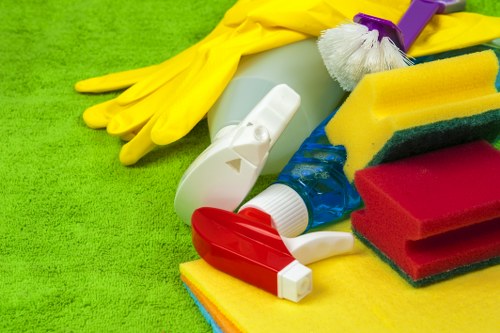 Emergency procedures are in place for accidents, spills, and other incidents. If a spill creates a slip hazard, the area is isolated and made safe as quickly as possible. First aid support is available where required, and any injury is reported and recorded. Fire safety rules are followed, including keeping exits clear and avoiding blocked escape routes. Staff are also expected to know how to respond if a client reports a medical condition, allergic reaction, or unexpected hazard.
Environmental responsibility is part of safe working practice. Whenever possible, products are chosen for effectiveness and suitability, with attention to safe storage, measured use, and reduced waste. Materials are used efficiently so that a deep cleaning service remains both safe and responsible. Recyclable packaging is separated where practical, and water use is kept under control to avoid unnecessary runoff or surface damage.
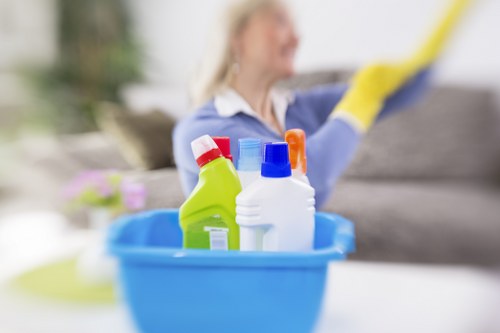 This policy is reviewed regularly to make sure it remains suitable for the type of work carried out and the risks involved. Updates may be made after an incident, a change in equipment, or the introduction of new cleaning methods. By following these standards, deep cleaning Battersea teams can deliver a reliable service while protecting people, property, and the working environment. Safety is not an add-on; it is part of every task, every product, and every decision.